
Household in cold areas left behind
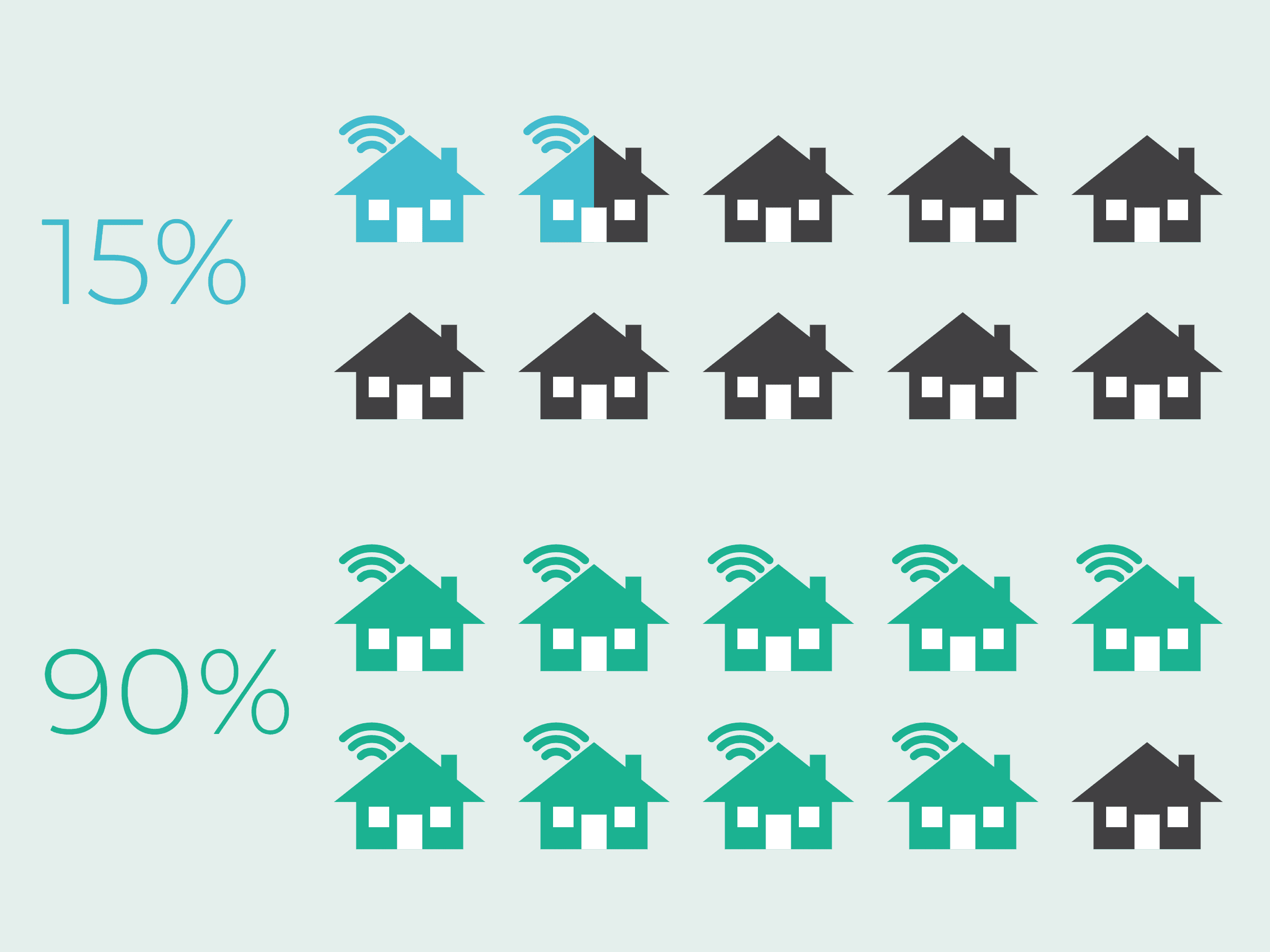
Households in cold areas lack hourly measurement of electricity usage
In cold areas, where electricity is used for heating, only around 15% of households have access to hourly measurement and are able to benefit from the Night time discount at Straumlind. Approximately 85% do not have this option. In areas served by district heating, the situation is the exact opposite. There, around 90% of households have access to smart meters with hourly measurement.
RARIK and Orkubú Vestfjarða have fallen behind
The vast majority of residents in electrically heated areas live within the distribution service areas of RARIK and Orkubú Vestfjarða.
Within RARIK's distribution area, more than 20,000 residents in electrically heated areas lack access to time-of-use smart meters. In Orkubú Vestfjarða's service area, nearly 8,000 residents are in the same position.
The situation at Orkubú Vestfjarða is particularly noteworthy. In many locations, the installation of smart meters has already been completed, yet the meter data is not being transmitted to the central database. Despite repeated inquiries from Straumlind regarding when this data will be made available, no answers have been provided.
Both RARIK and Orkubú Vestfjarða are 100% owned by the Icelandic state.
Other distribution companies, including HS Veitur, Veitur, and Norðurorka, which are municipally owned, have installed smart meters for the vast majority of their customers.
A matter of fairness
In Straumlind's view, these figures raise important questions about equality and infrastructure investment priorities.
Households heated with electricity consume significantly more electricity than households connected to district heating systems.
Why have households in district-heating areas gained faster access to smart meters than households in cold areas?
Is it consistent with the goal of ensuring equal opportunities for households throughout Iceland that those most dependent on electricity for heating have the least access to solutions that can reduce their energy costs?
If the objective is to promote efficient energy use and lower electricity bills, it would have been logical to begin where the potential benefits are greatest. The current situation, however, appears to indicate the opposite.
Straumlind believes that it is a matter of fairness and equity that this situation be corrected as soon as possible and that equal opportunities for Icelandic households be ensured.